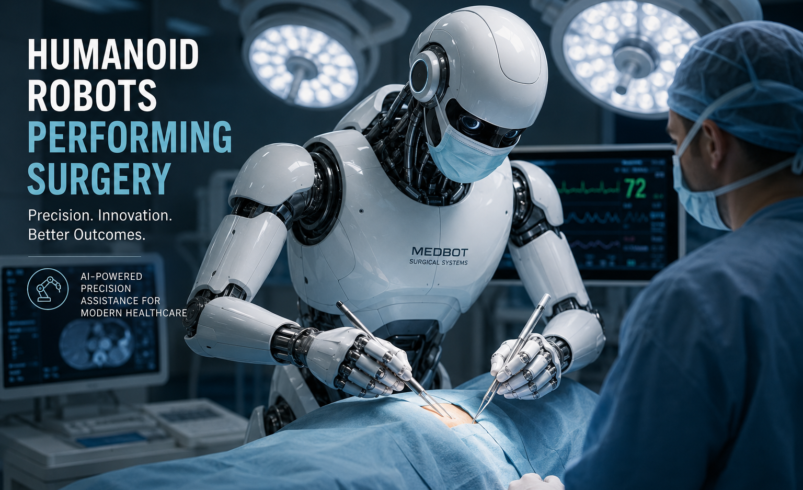
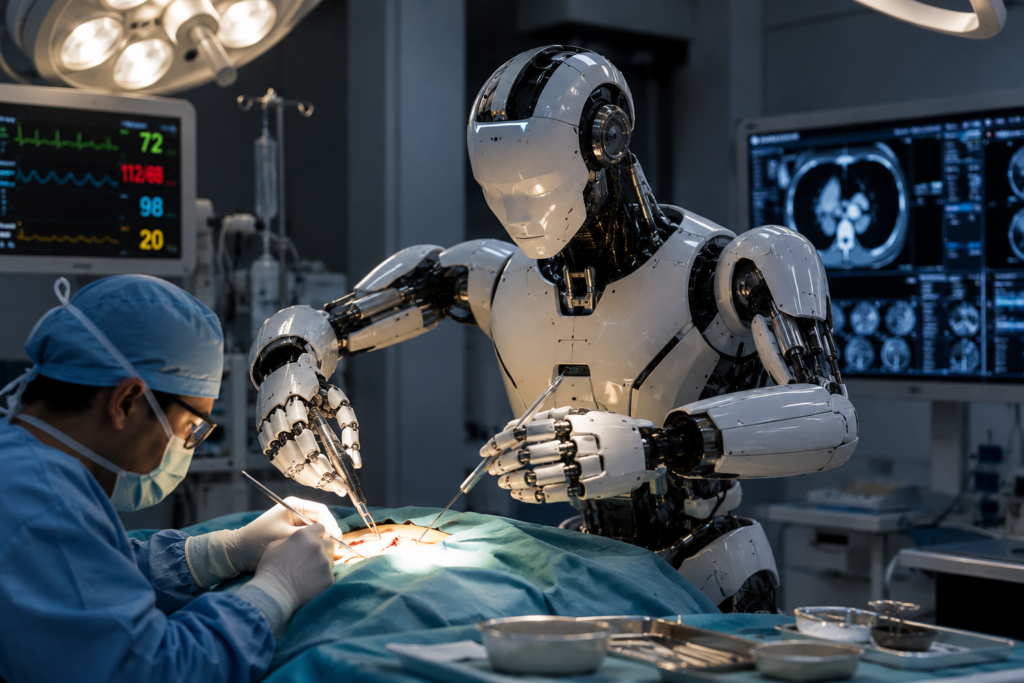
The future of healthcare is no longer a distant vision—it is unfolding in operating rooms around the world. Humanoid robots, powered by advanced artificial intelligence, machine learning, and precision engineering, are beginning to transform the way surgeons perform complex procedures. While these robots are not replacing human doctors, they are becoming invaluable assistants capable of improving surgical accuracy, reducing human error, and enhancing patient outcomes. Unlike traditional robotic surgical systems that require surgeons to operate from a console, the latest generation of humanoid robots is designed to mimic human movements, interact naturally with medical teams, and assist in various stages of surgery. Equipped with high-definition cameras, force-sensitive robotic arms, and AI-driven decision-support systems, these robots can perform incredibly delicate tasks with sub-millimeter precision. Researchers and medical institutions are testing humanoid robots that can hand instruments to surgeons, monitor patient vital signs, suture wounds, and even carry out specific surgical actions under close human supervision. Their ability to analyze vast amounts of medical data in real time enables them to recommend optimal surgical pathways while adapting to unexpected situations during procedures. As technology continues to evolve, some experimental systems are being trained using thousands of recorded surgeries, allowing them to recognize anatomical structures and perform repetitive surgical tasks with remarkable consistency. This level of precision is especially valuable in minimally invasive surgeries, where even the slightest movement can significantly impact patient recovery. Hospitals adopting robotic-assisted surgery have reported benefits such as smaller incisions, reduced blood loss, shorter hospital stays, faster recovery times, and lower risks of infection. Beyond the operating room, humanoid robots are also being explored for pre-operative planning, patient monitoring, rehabilitation assistance, and medical training, creating an integrated ecosystem of intelligent healthcare support. However, experts emphasize that human surgeons remain fully responsible for critical decision-making, ethical judgment, and patient care, as current robotic systems still require continuous oversight and cannot independently manage complex medical emergencies. Concerns regarding cybersecurity, data privacy, equipment costs, regulatory approval, and legal responsibility continue to shape discussions surrounding widespread adoption. Nevertheless, ongoing advancements in AI, robotics, and medical imaging suggest that humanoid surgical assistants will become increasingly capable and accessible over the next decade. As hospitals seek innovative ways to improve efficiency and patient safety, humanoid robots are poised to play an increasingly significant role in modern medicine, representing a powerful partnership between human expertise and intelligent technology rather than a replacement for skilled surgeons.