The Miss Universe Controversy Sparks a Bigger Conversation About Modern Beauty Pageants
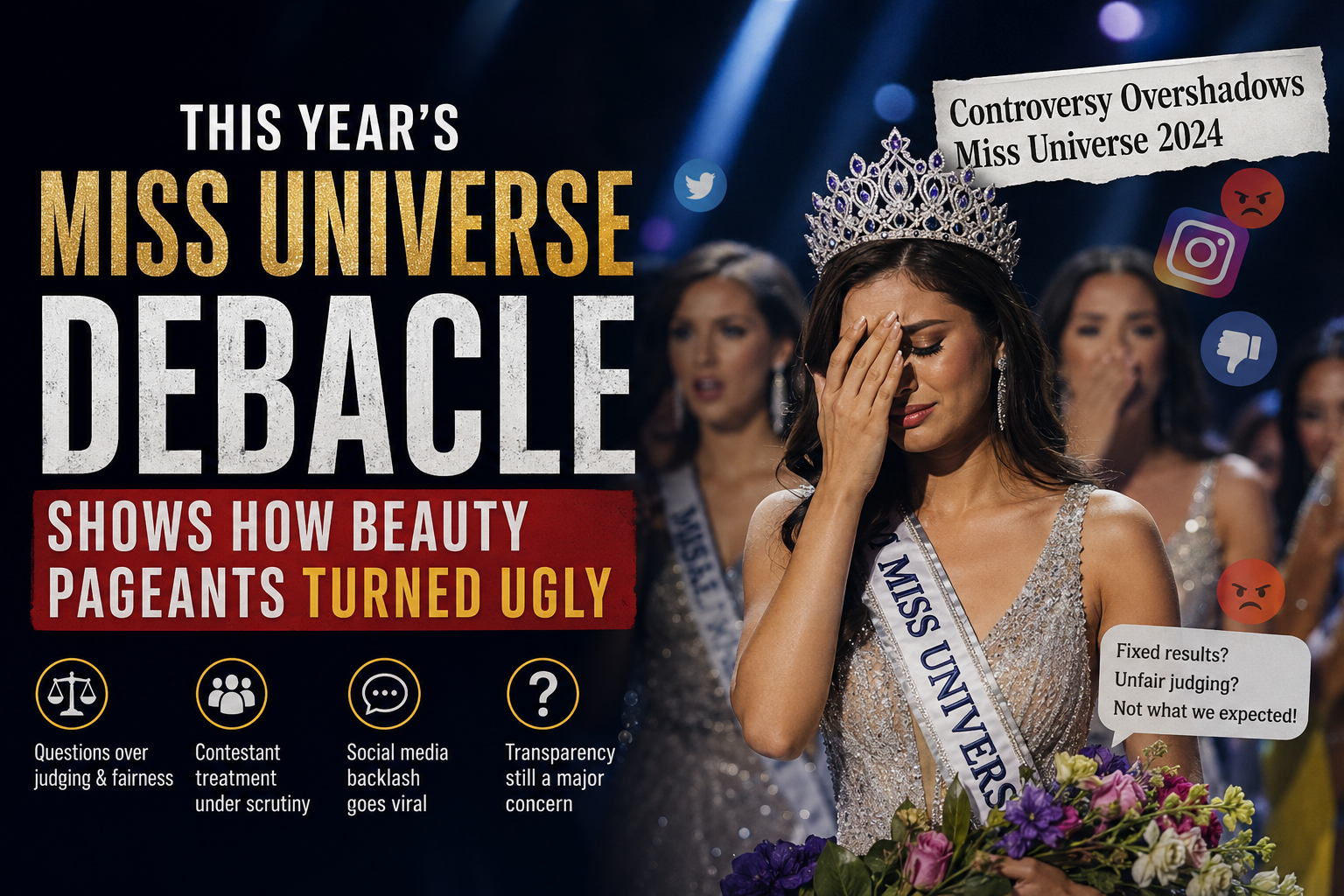
The Miss Universe competition has long been celebrated as one of the world’s most prestigious beauty pageants, showcasing confidence, intelligence, culture, and global representation. However, this year’s Miss Universe debacle has shifted attention away from the contestants’ achievements and toward controversy, criticism, and growing public dissatisfaction. Social media erupted with debates over judging decisions, transparency, contestant treatment, and the overall direction of the competition. Instead of celebrating empowerment and diversity, many viewers questioned whether beauty pageants still live up to the values they claim to represent. The controversy quickly spread across platforms like X, TikTok, Instagram, and YouTube, where fans and former contestants shared concerns about fairness, favoritism, and inconsistent judging standards. As online discussions intensified, the Miss Universe organization found itself facing one of the biggest public relations challenges in recent years.
From Glamour to Controversy: What Changed?
Beauty pageants were once viewed as glamorous international events that celebrated talent, elegance, and cultural pride. Today, they exist in a vastly different media landscape where every moment is analyzed in real time. A single controversial decision can dominate headlines within minutes, and audiences expect complete transparency. Critics argue that many modern pageants struggle to balance tradition with evolving social values, leading to confusion about their purpose. While organizations promote inclusivity and female empowerment, some viewers believe judging outcomes and competition formats still prioritize outdated beauty standards or lack consistency. This disconnect has caused increasing skepticism about whether pageants genuinely reward intelligence, leadership, and advocacy or simply rely on entertainment value.
Social Media Amplifies Every Mistake
Unlike previous decades, today’s pageants unfold under constant digital scrutiny. Millions of viewers share clips, reactions, and opinions instantly, making controversies spread faster than ever before. Every interview, score announcement, and elimination becomes viral content, inviting endless debate. While social media gives contestants greater visibility and allows supporters to celebrate diverse voices, it also fuels misinformation, online harassment, and conspiracy theories whenever results disappoint fans. The Miss Universe controversy demonstrated how quickly public trust can erode when organizations fail to communicate clearly or address criticism promptly. Transparency is no longer optional—it has become essential for maintaining credibility in global competitions.