


July 28, 2026
Business

China Hits Out at British Steel Nationalisation, Raising Concerns Over Foreign Investment

  • July 17, 2026
  • 0

China has criticized the UK government's nationalization of British Steel, raising concerns over foreign investment, economic relations, national security, and the future of strategic industries.
China Hits Out at British Steel Nationalisation, Raising Concerns Over Foreign Investment

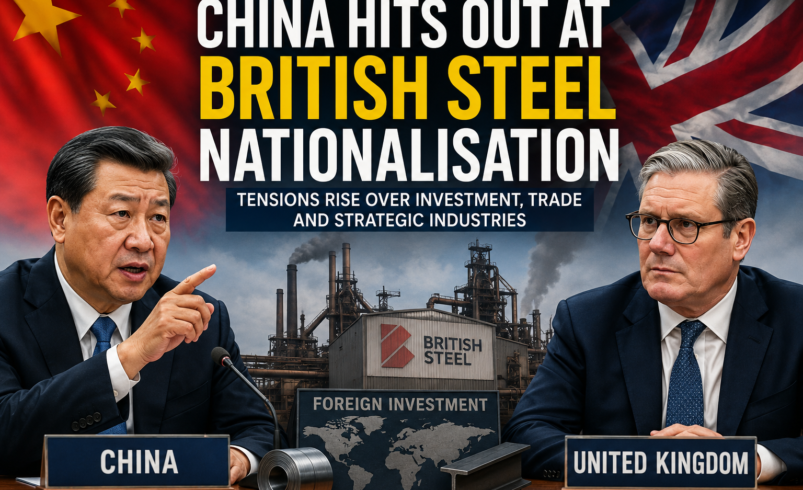
China has sharply criticized the British government’s decision to take control of British Steel, arguing that the move sends the wrong signal to international investors and raises concerns about the United Kingdom’s commitment to maintaining an open and predictable business environment. Beijing stated that nationalization should not become a political tool and urged London to ensure that Chinese companies operating in Britain are treated fairly, transparently, and without discrimination. The dispute follows the UK government’s intervention to secure the future of British Steel’s operations, protect thousands of jobs, and safeguard domestic steel production, which officials described as strategically important for national security and critical infrastructure. British ministers insisted that the decision was driven by the need to preserve the country’s industrial capacity rather than target any specific foreign investor. However, Chinese officials warned that such actions could undermine investor confidence and damage long-term economic cooperation between the two countries. The controversy has further highlighted the increasingly complex relationship between China and the United Kingdom, where economic interests are often balanced against concerns over national security, supply chain resilience, and foreign ownership of critical industries. Analysts believe the disagreement reflects a broader global trend in which governments are taking a more active role in protecting strategic sectors, especially after recent geopolitical tensions and disruptions to international trade. While British leaders maintain that the intervention is temporary and designed to stabilize an essential industry, China continues to call for equal treatment of foreign businesses and adherence to international trade principles. The outcome of this dispute could influence future investment decisions, shape UK-China commercial relations, and serve as a significant example of how governments worldwide are responding to growing economic and geopolitical challenges surrounding strategic manufacturing industries.

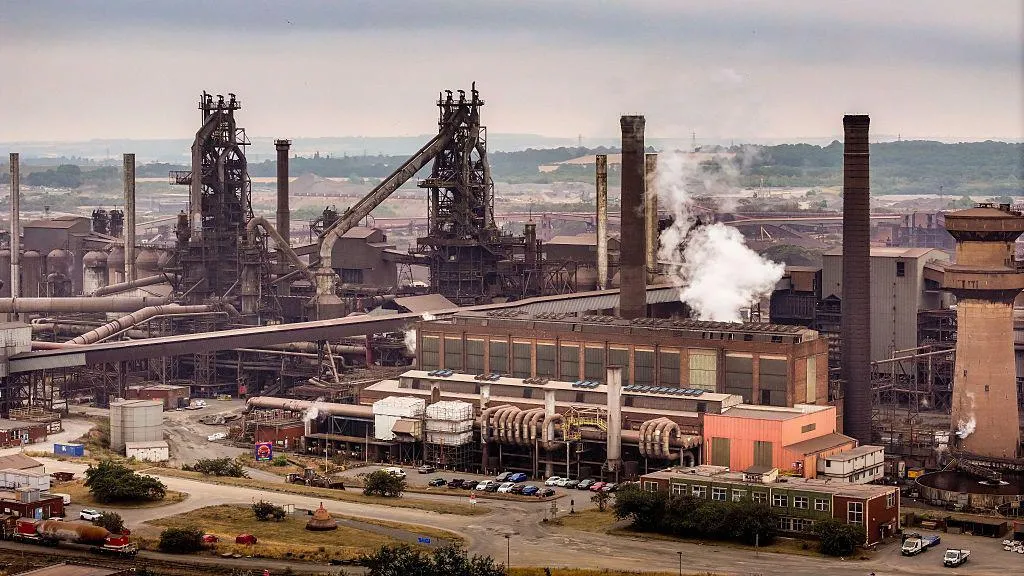
China has hit out at the nationalisation of British Steel, saying it “firmly opposes and is strongly dissatisfied with the British government’s decision”.On Thursday, the UK government said that taking the loss-making firm into public hands would protect jobs and safeguard a “vital national capability”.The UK took control of British Steel’s operations in Scunthorpe last year, though it was still owned by China’s Jingye Group, limiting the government’s ability to steer its future.China’s commerce ministry said on Friday that the moves “seriously infringed upon Jingye’s legitimate rights and interests and severely undermined the confidence of Chinese companies investing in the UK”.

China has criticized the UK government’s decision to nationalize British Steel, warning that the move could weaken foreign investor confidence and affect economic ties between the two countries.

British officials say the intervention is necessary to protect jobs, secure domestic steel production, and safeguard a strategic industry, highlighting the growing balance between national security and global investment.

Final Thoughts

The dispute over British Steel reflects the growing tension between protecting national industries and maintaining an open investment environment. While the UK views its intervention as a necessary step to secure jobs and strengthen domestic steel production, China argues that the move could discourage foreign investors and strain economic ties. As governments around the world place greater emphasis on economic security and critical infrastructure, the balance between national interests and global investment will remain a key challenge. The decisions made in this case could have lasting implications for UK-China relations, international trade, and the future of strategic manufacturing sectors.

Leave a Reply

Your email address will not be published. Required fields are marked *