July 28, 2026
Travel

‘L.A. at Rush Hour.’ ‘Disney World.’ Why America’s National Parks Are Feeling the Strain This Summer

  • July 22, 2026
  • 0

America’s national parks are experiencing record-breaking crowds this summer, leading to heavy traffic, packed trails, long entrance lines, and growing environmental concerns. Discover why visitor numbers are surging,

‘L.A. at Rush Hour.’ ‘Disney World.’ Why America’s National Parks Are Feeling the Strain This Summer

America’s national parks have always represented the country’s natural beauty, offering breathtaking mountains, waterfalls, forests, deserts, and wildlife that attract millions of visitors every year. From Yellowstone’s famous geysers to Yosemite’s towering granite cliffs and the dramatic canyons of Zion National Park, these destinations have become must-visit locations for travelers from around the world. However, the unprecedented popularity of outdoor travel in recent years has created a new challenge. During the 2026 summer travel season, many national parks are witnessing record-breaking attendance, resulting in severe traffic congestion, overcrowded hiking trails, overflowing parking lots, and increased pressure on park staff and natural resources.

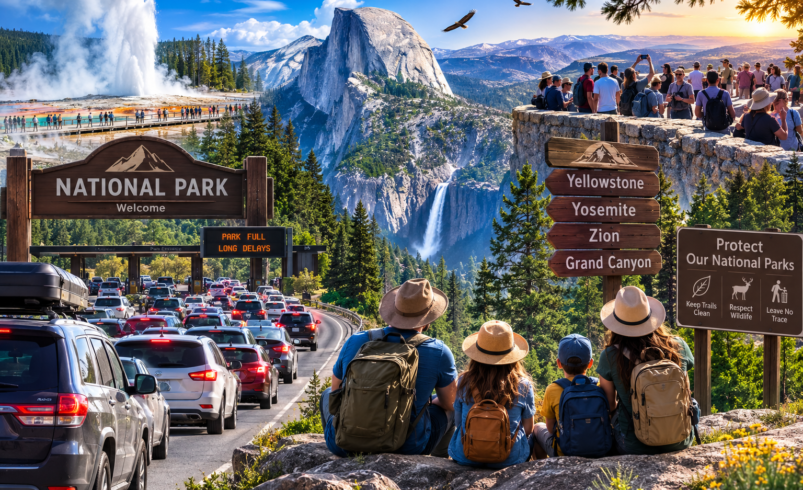
Visitors are increasingly describing their experiences using comparisons usually reserved for busy urban areas and famous tourist attractions. Some have compared entrance roads to driving through Los Angeles during rush hour, while others say waiting to enter popular parks feels similar to spending a day in Disney World with endless queues. Instead of the peaceful escape many travelers expect, some are encountering long vehicle lines, limited parking availability, crowded viewpoints, and delays in accessing hiking trails.

The increase in visitors reflects a growing appreciation for nature, outdoor recreation, and domestic tourism. Families, photographers, adventure seekers, and international tourists all want to experience America’s most iconic landscapes. Social media has also played a major role, with viral travel videos inspiring millions to visit the same famous viewpoints and trails. While this popularity benefits nearby communities and supports local tourism businesses, it also raises concerns about environmental protection, visitor safety, infrastructure capacity, and the long-term sustainability of these treasured public lands.

Park officials continue working to balance tourism with conservation by introducing reservation systems, shuttle transportation, visitor education programs, and trail management strategies. However, maintaining this balance becomes increasingly difficult as visitor numbers continue to climb. Understanding these challenges helps travelers make informed decisions while encouraging responsible tourism that protects these remarkable landscapes for future generations.

1. Why Are America’s National Parks More Popular Than Ever?

National parks have become one of the most sought-after travel destinations in recent years. Many travelers now prioritize outdoor vacations where they can disconnect from busy city life, spend quality time with family, and experience nature firsthand. The rise of remote work, flexible travel schedules, and increased awareness of wellness activities has encouraged more people to explore hiking, camping, wildlife photography, and scenic road trips.

In addition, social media platforms have transformed many national parks into viral travel destinations. Stunning sunrise photos, dramatic drone footage, and adventure videos motivate thousands of travelers to visit the exact same locations. This growing exposure has introduced America’s natural wonders to audiences who may never have previously considered visiting national parks.


2. Record Visitor Numbers Are Creating Serious Congestion

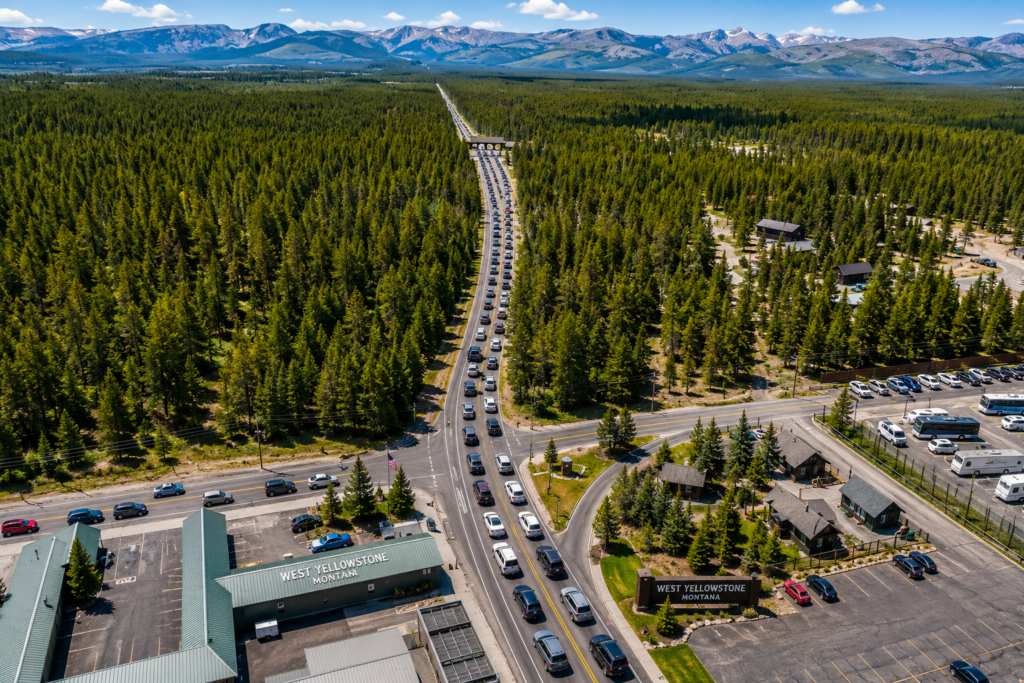
Many parks are experiencing visitor numbers far beyond what their roads, parking facilities, and visitor centers were originally designed to handle. During weekends and holidays, long vehicle queues begin forming before sunrise. Parking areas often reach full capacity early in the morning, forcing visitors to wait for available spaces or change their travel plans.

Crowded roads increase travel times, reduce emergency access, and create frustration for visitors hoping to enjoy a peaceful outdoor experience. In several parks, shuttle buses operate at full capacity throughout the day, with passengers waiting in lengthy lines.

Practical Example:

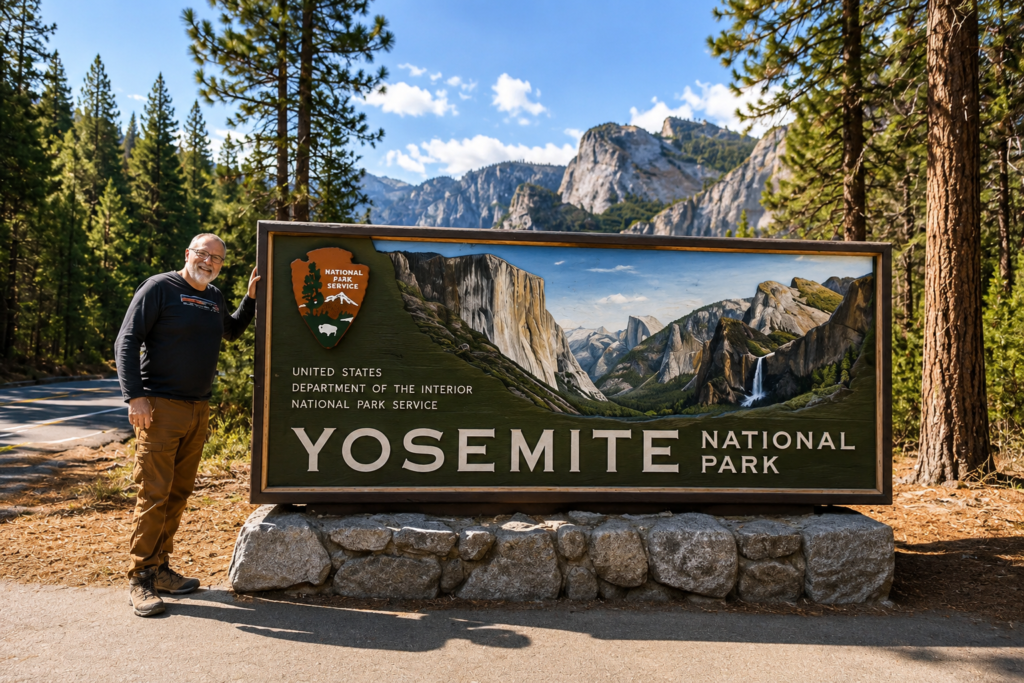
A family arriving at Yosemite National Park around 10:30 a.m. during a summer weekend may wait more than an hour before entering the park and spend additional time searching for parking near popular attractions.


3. Environmental Pressure Is Growing Every Day

The increasing number of visitors also creates environmental challenges. Heavy foot traffic causes trail erosion, damages fragile vegetation, disturbs wildlife habitats, and increases litter in sensitive ecosystems. Wildlife can become stressed when visitors ignore safety distances or attempt to feed animals.

Park maintenance teams work continuously to repair damaged trails, clean facilities, and educate visitors, but growing attendance places additional strain on limited resources.


4. Park Staff Are Facing Greater Challenges

National Park Service employees manage visitor safety, rescue operations, educational programs, wildlife protection, and facility maintenance. During peak summer months, staff members often work under significant pressure while managing thousands of daily visitors.

Limited staffing combined with increasing maintenance needs means employees must carefully prioritize repairs, emergency responses, and conservation efforts.

Practical Example:

If multiple hiking emergencies occur simultaneously while parking lots overflow, park rangers must divide resources between emergency response, traffic management, and visitor assistance.


Popular Parks Experiencing the Largest Crowds

Several iconic parks consistently receive the highest visitor numbers.

  • Yellowstone National Park
  • Yosemite National Park
  • Zion National Park
  • Grand Canyon National Park
  • Great Smoky Mountains National Park
  • Rocky Mountain National Park

Each park offers extraordinary natural beauty, but they also experience significant congestion during the summer travel season.


6. How Overcrowding Changes the Visitor Experience

Many travelers visit national parks expecting peaceful landscapes, quiet hiking trails, and relaxing outdoor adventures. Instead, some encounter traffic jams, crowded viewpoints, long restroom lines, and packed shuttle buses.

Popular photography locations often require visitors to wait for opportunities to capture unobstructed views. Hiking trails become slower as large groups move through narrow pathways.

Practical Example:

A traveler hoping to photograph sunrise at a famous overlook may need to arrive before dawn simply to secure a parking space and a clear viewing position.


7. What Park Officials Are Doing to Reduce Crowds

National Park Service officials continue introducing new management strategies designed to improve visitor experiences while protecting natural resources.

These efforts include:

  • Timed-entry reservation systems
  • Expanded shuttle transportation
  • Improved visitor education
  • Seasonal traffic management
  • Additional trail maintenance
  • Conservation programs
  • Wildlife protection initiatives

Although these measures cannot eliminate congestion entirely, they help distribute visitors more efficiently throughout the day.


8. How Visitors Can Enjoy a Better National Park Experience

Travelers can significantly improve their experience by planning ahead.

Helpful recommendations include:

  • Arrive before sunrise.
  • Visit during weekdays instead of weekends.
  • Reserve accommodations months in advance.
  • Use shuttle transportation whenever available.
  • Carry sufficient water and emergency supplies.
  • Stay on designated trails.
  • Respect wildlife from a safe distance.
  • Follow Leave No Trace principles.

Practical Example:

Instead of visiting Yosemite Valley at midday, arriving at 6:00 a.m. allows visitors to avoid heavy traffic, enjoy cooler temperatures, and experience quieter hiking trails.


9. Why Responsible Tourism Matters

National parks belong to everyone, making responsible tourism essential for preserving these remarkable landscapes. Every visitor has a role in protecting wildlife, reducing waste, respecting other travelers, and following park regulations.

Simple actions like disposing of trash properly, remaining on marked trails, avoiding wildlife interactions, and minimizing noise help preserve fragile ecosystems for future generations.

Responsible tourism also supports sustainable recreation while reducing maintenance costs and environmental damage.

  • America’s national parks are experiencing record visitor numbers.
  • Heavy crowds are creating traffic congestion and long entrance delays.
  • Popular parks face increasing environmental and infrastructure pressure.
  • Park staff continue balancing conservation with visitor services.
  • Responsible tourism helps preserve natural landscapes.
  • Early planning greatly improves the visitor experience.
  • Visiting during off-peak hours reduces waiting times.
  • Respecting park rules protects wildlife and ecosystems

1. Why are America’s national parks so crowded this summer?

Growing domestic tourism, social media popularity, flexible travel schedules, and increased interest in outdoor recreation have significantly increased visitor numbers.

2. Which parks experience the largest crowds?

Yellowstone, Yosemite, Zion, Grand Canyon, Great Smoky Mountains, and Rocky Mountain National Park are among the busiest destinations.

3. How can visitors avoid long lines?

Arrive early in the morning, visit during weekdays, reserve permits in advance, and use park shuttle services whenever possible.

4. Does overcrowding affect wildlife?

Yes. Increased human activity can disturb animal habitats, alter natural behavior, and increase environmental stress.

5. Are reservation systems becoming more common?

Yes. Many parks now use timed-entry reservations to better manage visitor flow and reduce congestion.

Final Thoughts

Final Thoughts

America’s national parks remain some of the world’s most extraordinary natural destinations, inspiring millions of visitors every year with breathtaking scenery, diverse wildlife, and unforgettable outdoor adventures. However, their growing popularity also highlights the importance of balancing tourism with conservation. Heavy summer crowds, traffic congestion, environmental pressure, and increasing demands on park staff demonstrate that preserving these landscapes requires cooperation from everyone who visits. By planning trips carefully, respecting wildlife, following park regulations, and embracing responsible travel practices, visitors can help protect these national treasures while still enjoying remarkable experiences. With thoughtful management and sustainable tourism, America’s national parks can continue providing inspiration, education, and recreation for generations to come.

Leave a Reply

Your email address will not be published. Required fields are marked *